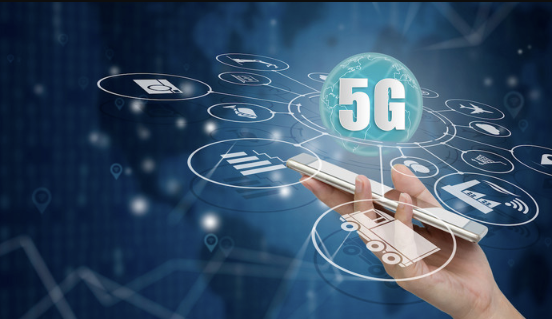
The advent of 5G technology marks a pivotal shift in the landscape of the Internet of Things (IoT). Enhanced connectivity and reduced latency promise to elevate IoT applications across numerous sectors. Smart cities and healthcare systems stand to benefit significantly from these advancements. However, the potential of 5G integration is accompanied by substantial challenges, particularly in security and infrastructure. Understanding these dynamics is crucial for grasping the full implications of this technological revolution.
How 5G Enhances IoT Connectivity and Performance
The advent of 5G technology significantly transforms the landscape of the Internet of Things (IoT), enabling a more robust and efficient connectivity framework.
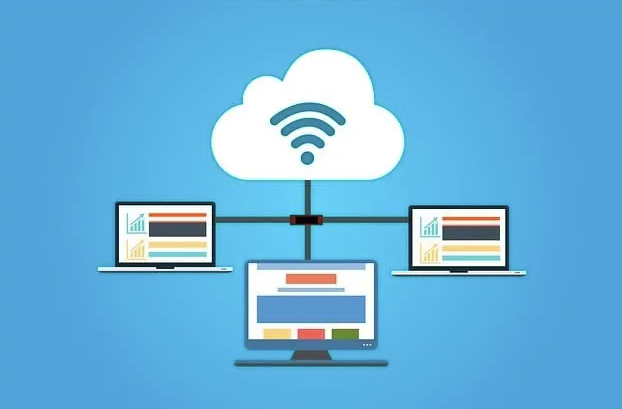
By leveraging edge computing, data processing occurs closer to the source, reducing latency and enhancing real-time decision-making.
Additionally, network slicing allows tailored connectivity, optimizing resources for diverse applications, ultimately fostering a more responsive and liberated IoT ecosystem that empowers users.
Key Applications of 5G in Smart Cities and Beyond
5G technology is poised to revolutionize smart cities by enabling a wide array of applications that enhance urban living and infrastructure management.
Key applications include smart transportation systems that optimize traffic flow and reduce congestion, alongside advanced energy management solutions that enable efficient resource utilization.
This interconnected framework fosters sustainable growth, empowering citizens with improved services and a more responsive urban environment.
The Impact of 5G on Healthcare and Remote Monitoring
In healthcare, the integration of advanced connectivity promises significant enhancements to patient care and remote monitoring capabilities.
5G facilitates telemedicine advancements, allowing for real-time consultations and improved data exchange.
Additionally, wearable technology benefits from this high-speed network, enabling continuous health monitoring and timely interventions.
See also: autolinkrush
Challenges and Future Prospects of 5G and IoT Integration
Although the potential of 5G and IoT integration is substantial, various challenges must be addressed to realize its full benefits.
Security concerns surrounding data privacy and breaches pose significant obstacles.
Additionally, the required infrastructure investment remains daunting for many regions, hindering widespread adoption.
Overcoming these barriers is essential to unlock the transformative capabilities that 5G and IoT can offer society.
Conclusion
In conclusion, the fusion of 5G and IoT stands on the precipice of a technological renaissance, promising to reshape urban landscapes and revolutionize healthcare. As robust connectivity and real-time data processing become the norm, the potential for innovation seems limitless, akin to opening a portal to a digital utopia. However, to fully harness this transformative power, stakeholders must navigate the complexities of security and infrastructure investment, ensuring a sustainable and inclusive future for all.