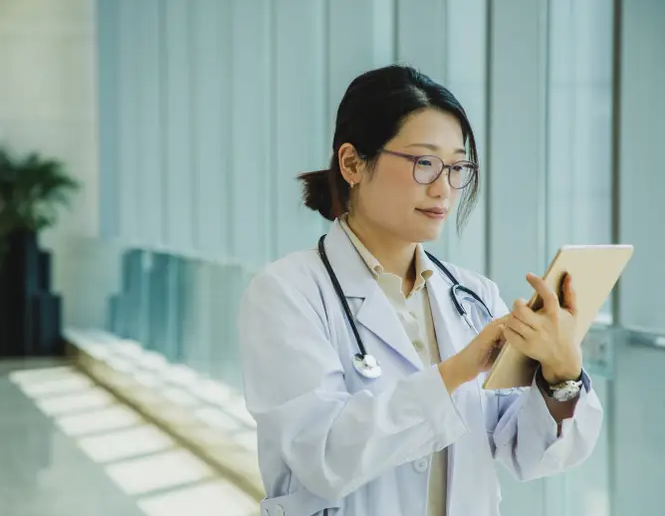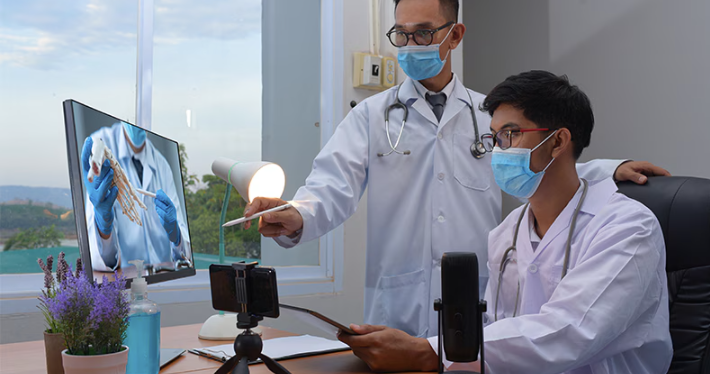
5G technology is poised to significantly enhance healthcare and telemedicine. Its capacity for rapid data transmission facilitates remote patient monitoring and teleconsultations with unprecedented clarity. Healthcare professionals can leverage high-resolution diagnostics and real-time collaboration during critical procedures. Furthermore, the integration of wearable devices promotes active patient engagement. Understanding how these advancements reshape medical practices will reveal the profound impact of 5G on healthcare delivery and patient outcomes.
Transforming Remote Patient Monitoring With 5G
As healthcare continues to evolve, the integration of 5G technology is poised to revolutionize remote patient monitoring, enabling real-time data transmission and enhancing patient care.
Wearable technology plays a crucial role in this transformation, fostering patient engagement by allowing individuals to track their health metrics effortlessly.
This seamless connectivity empowers patients, providing them with greater autonomy and control over their health journeys.
Enabling Real-Time Telemedicine Consultations and Diagnostics
The advancements in 5G technology not only enhance remote patient monitoring but also facilitate real-time telemedicine consultations and diagnostics, significantly improving access to healthcare services.
This connectivity enables healthcare professionals to conduct remote consultations with enhanced clarity and speed, while ensuring diagnostic accuracy through high-resolution imaging and instant data transfer.
Consequently, patients receive timely, effective care, bridging geographical barriers in healthcare delivery.
Revolutionizing Surgical Procedures Through 5G Connectivity
While traditional surgical procedures often face limitations due to the constraints of time and location, 5G connectivity is poised to transform these practices by enabling real-time data transmission and enhanced communication among surgical teams.
This advancement facilitates robotic surgery and the integration of augmented reality, allowing surgeons to visualize complex anatomies and collaborate effectively, ultimately enhancing precision and patient outcomes in the operating room.
See also: 5G and the Internet of Things Revolution
Enhancing Medical Data Management and Analysis With 5G
Advancements in 5G technology extend beyond surgical innovations, significantly impacting the management and analysis of medical data.
With enhanced bandwidth and reduced latency, healthcare professionals can utilize predictive analytics for more accurate diagnoses while ensuring robust data security.
This seamless integration facilitates real-time data sharing and improves decision-making processes, ultimately transforming patient care through informed insights and efficient resource allocation in healthcare settings.
Conclusion
In conclusion, 5G technology is not just a step forward; it is a leap into the future of healthcare. It transforms remote patient monitoring, enables real-time telemedicine consultations, revolutionizes surgical procedures, and enhances medical data management. With each advancement, 5G fosters a new era of patient engagement, empowers healthcare professionals, and elevates the quality of care. As connectivity evolves, so too does the potential for innovative solutions that redefine the healthcare landscape and improve patient outcomes.